Older homes are admired for their charm, character and solid construction. However, the roofing systems on these properties often face challenges that newer homes have yet to experience. As materials age and weather exposure takes its toll, roof leaks can become increasingly common, especially if the roof has not been updated or maintained regularly.
At LJ Roofing Bradford on Avon in Bradford on Avon, Wiltshire, we frequently assist homeowners with leak issues linked directly to the age and condition of their roof. Understanding the most common causes can help you spot early warning signs and address problems before they worsen.
Ageing Tiles and Natural Deterioration
Roof tiles are designed to withstand decades of weathering, but they do gradually weaken over time. Clay and concrete tiles, in particular, become more brittle, making them prone to:
- Cracking
- Curling
- Surface erosion
- Breaking under pressure
Damaged tiles allow rainwater to penetrate the roof system, often leading to slow-developing leaks that worsen during heavy weather.
Worn or Failing Underlay
The underlay is one of the most crucial protective layers beneath the tiles. In older homes, this material may have deteriorated to the point where it no longer provides a reliable barrier.
Common problems include:
- Tears
- Brittleness
- Aged nail holes
- Sections that have completely disintegrated
When underlay fails, water can reach the timbers and interior loft space even if the tiles above appear intact.
Mortar Deterioration Around Ridges and Valleys
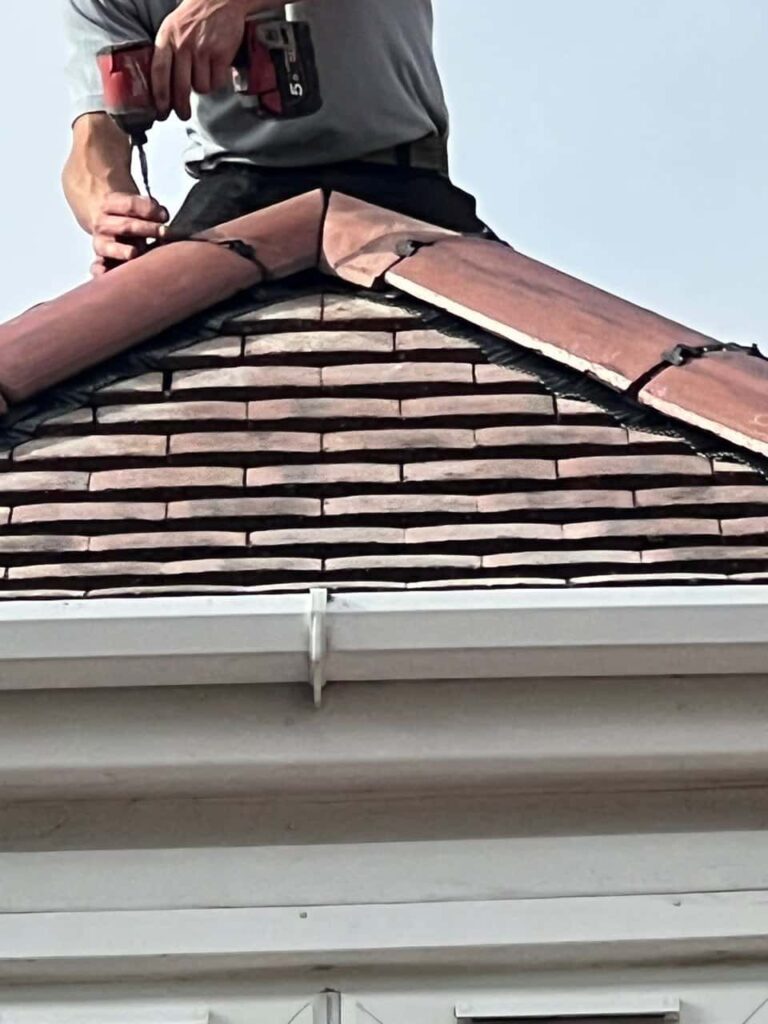
Many traditional roofs rely on mortar to secure ridge tiles, hip tiles and valley channels. Over time, mortar naturally cracks and erodes due to temperature changes, frost and weather exposure. Once gaps appear, water can enter easily, especially during wind-driven rain.
Older properties are particularly vulnerable in these areas because historic mortar often lacks the bonding strength of modern materials.
Damaged or Poorly Functioning Flashing
Flashing is essential for sealing areas where the roof meets chimneys, dormers, skylights or adjoining walls. On older roofs, flashing may be:
- Rusted
- Cracked
- Slipped
- Loosened by movement in the building
When flashing begins to fail, these junctions become major points of water ingress.
Structural Movement Over Time
Homes naturally shift and settle as they age. These small movements can impact the roof structure, causing:
- Misaligned tiles
- Open joints
- Gaps along ridges
- Warped battens or rafters
Even minor misalignment can disrupt the roof’s weatherproofing, allowing leaks to develop gradually.
Moss and Organic Growth
Older roofs often accumulate moss, lichen or algae, especially in shaded or moisture-prone areas. Moss growth can cause several problems:
- Lifting tiles and creating gaps
- Holding moisture against the roof surface
- Blocking drainage channels
- Promoting freeze–thaw damage in winter
Left unchecked, this organic build-up can contribute to significant deterioration.
Blocked or Overflowing Gutters
While not technically part of the roof structure, gutters play a crucial role in directing water away from the home. In older properties with outdated guttering, leaks may develop when:
- Gutters overflow and soak the roof edges
- Downpipes become blocked
- Water runs back under the tiles
This can lead to damp patches on walls, ceilings or loft timbers.
Previous Poor Repairs
Older homes often have a long maintenance history. Unfortunately, not all previous repairs are carried out correctly. Poor workmanship can create weak points that fail over time, including:
- Incorrectly installed tiles
- Low-quality patch repairs
- Inadequate flashing fixes
- Mortar applied without proper bonding
These weaknesses often cause leaks years after the original repair.
Conclusion
Roof leaks in older homes usually develop due to age-related deterioration, outdated materials and long-term exposure to the elements. By understanding the most common causes, homeowners can take action early and protect their property from further damage.
If your older home is showing signs of dampness or you suspect the roof may be failing, LJ Roofing Bradford on Avon in Bradford on Avon, Wiltshire is here to help. Contact us today for a professional inspection and expert guidance on restoring your roof’s reliability and weather protection.
Call us on: 01225 234 389
Click here to find out more about LJ Roofing Bradford on Avon
Click here to complete our contact form and see how we can help with your roofing needs.